Get the latest from
Eshopbox




India’s fashion market has grown faster online than almost any other consumer category—but the biggest change isn’t volume, it’s the structure. More successful apparel brands today are built without malls, distributors, or wholesale markups. They sell directly to consumers and own the entire journey from discovery to delivery.
As brands move to a D2C model, the way they operate has fundamentally changed. Selling directly online means brands decide how products are priced, launched, and delivered. Customers now look for quick launches, clear pricing, and reliable delivery across India. While this gives brands more control over their business, it also means handling multiple operational challenges independently.
Winning in D2C apparel today depends not just on design or marketing, but on the ability to manage inventory accurately, fulfil orders reliably, handle returns efficiently, and deliver consistently across India’s vast pin code network.
How D2C is changing apparel brands in India?
Direct-to-consumer in apparel means selling products directly through owned channels like brand websites, apps, and select marketplaces, instead of relying entirely on distributors or physical retailers.
In the ecommerce context, this model gives apparel brands several advantages:
- Full control over pricing and brand positioning
- Direct access to customer data and buying behaviour
- Faster product launches and trend testing
- Better margins by removing intermediaries
For many founders, D2C has become the preferred way to enter the apparel market. Brands can start small, validate demand, and scale based on real customer feedback rather than retail projections.
This model has also enabled niche brands—focused on specific styles, regions, or communities—to build loyal audiences without competing head-on with mass-market players.
Why has apparel become the fastest-growing D2C category?
Among all D2C categories in India, apparel stands out for both scale and speed of adoption. This growth is driven by a combination of consumer behaviour, digital discovery, and ecommerce infrastructure.
1. Apparel industry is driven by repeat purchases
Unlike high-value categories with long buying cycles, apparel benefits from frequent repeat purchases. Seasonal collections, daily wear, festive demand, and trend-driven buying ensure steady order volumes throughout the year. A customer who buys once is likely to return within weeks or months.
2. Social media fuels discovery at scale
Platforms like Instagram, YouTube, and short-form video apps have become primary discovery channels for fashion. Influencer marketing, reels, and user-generated content allow brands to generate demand rapidly without large upfront marketing spends. A single viral post can drive thousands of orders overnight. Additionally, the ability to strategically post on Facebook helps brands extend their reach to broader audiences, reinforcing visibility and driving engagement across multiple social platforms.
3. Low inventory risk enables experimentation
D2C apparel brands can afford to experiment with new designs, colors, and fits without committing to large volumes upfront. By launching limited batches and reading demand in real time, brands reduce markdown risk while keeping collections fresh—something traditional retail models struggle to do.
4. Consumers prefer value and relatability
Indian shoppers increasingly choose brands that feel accessible, culturally relevant, and fairly priced. Homegrown D2C apparel brands often outperform established labels on fit, pricing transparency, and everyday usability.
Together, these factors make apparel one of the most natural and scalable categories within the D2C ecosystem.
Which D2C apparel brands are popular in India?
India’s leading D2C apparel brands didn’t grow on branding alone. Their popularity comes from staying relevant in fashion, showing up consistently across digital channels, and delivering reliably at scale. As online fashion demand grew, these brands matched strong marketing with operational execution.
Here’s how some of India’s most popular D2C apparel brands built recall while scaling across ecommerce channels.
1. SNITCH
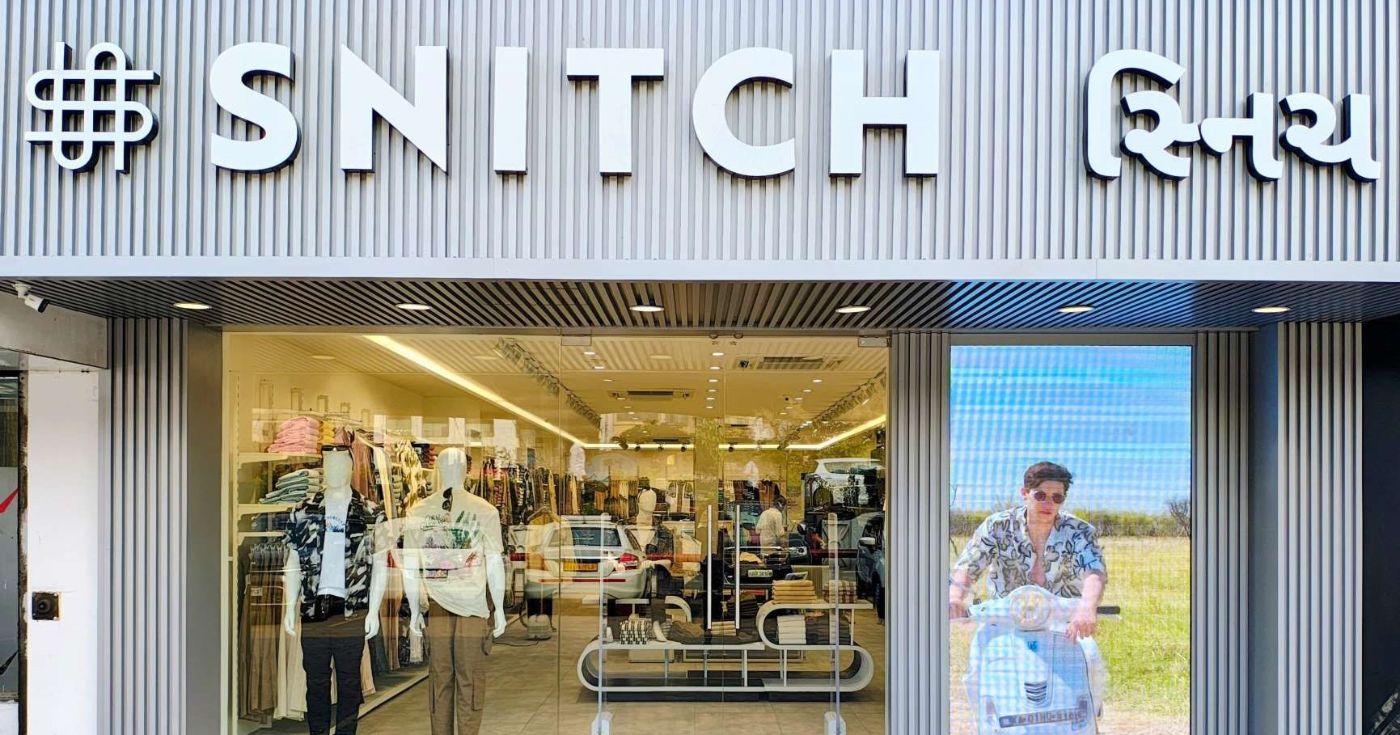
Founded in 2018, SNITCH emerged at a time when men’s fashion in India was becoming trend-sensitive and fast-moving. The brand capitalised on rising demand for affordable, globally inspired styles that could be worn daily. SNITCH gained visibility through high-frequency product launches promoted aggressively on Instagram and performance marketing channels.
From an ecommerce perspective, SNITCH’s success relied on speed—both in launching new styles and fulfilling orders quickly. Frequent new drops led to consistent order spikes, requiring tight inventory planning and reliable shipping to maintain customer trust. Its offline expansion further strengthened recall by reinforcing digital discovery with physical presence.
2. Bewakoof
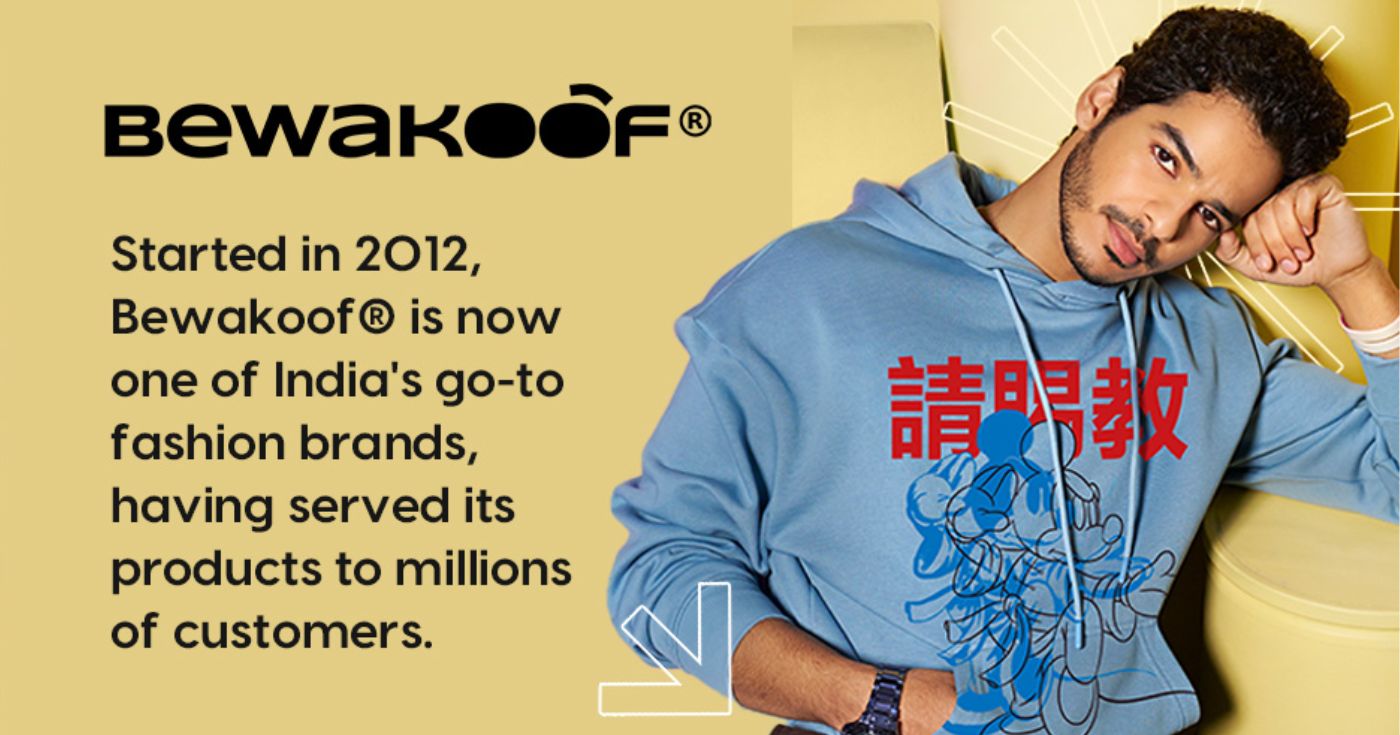
Founded in 2012, Bewakoof was one of the earliest Indian apparel brands to leverage digital-first marketing at scale. Its pop-culture-driven designs resonated strongly with young, price-conscious consumers shopping primarily through mobile apps and marketplaces.
Bewakoof’s high order volumes during sales and promotions demanded efficient logistics and consistent last-mile delivery. Social media virality and influencer-led campaigns drove sharp demand spikes, making fulfilment reliability a key factor in sustaining recall beyond initial purchases.
3. The Souled Store
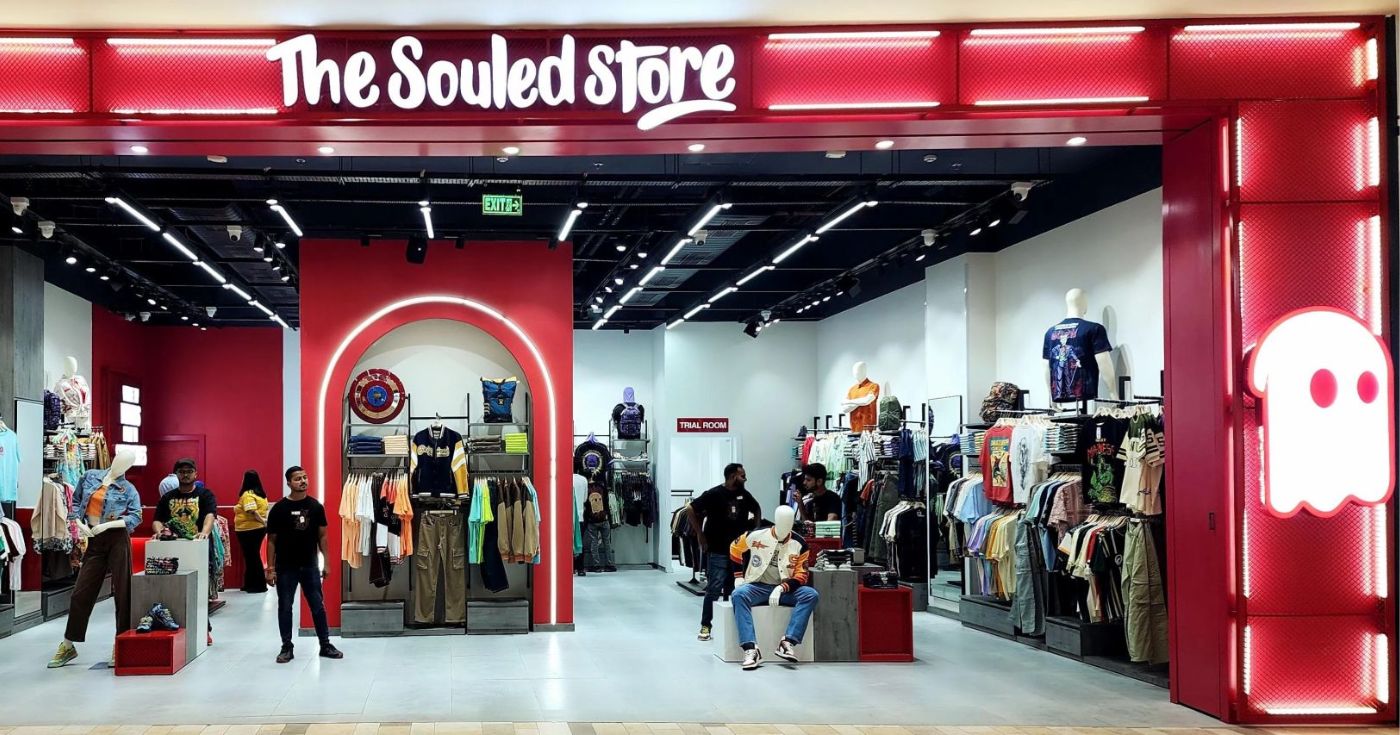
Launched in 2013, The Souled Store built a loyal customer base by tapping into fandom culture. Its apparel is closely tied to movies, series, sports teams, and nostalgia-driven content, making social media an essential demand-generation channel.
The brand’s ecommerce model depends on predictable delivery timelines, especially during licensed merchandise launches that create concentrated demand windows. Strong fulfilment performance ensured that fan excitement translated into positive post-purchase experiences, reinforcing repeat buying behaviour.
4. The House of Rare
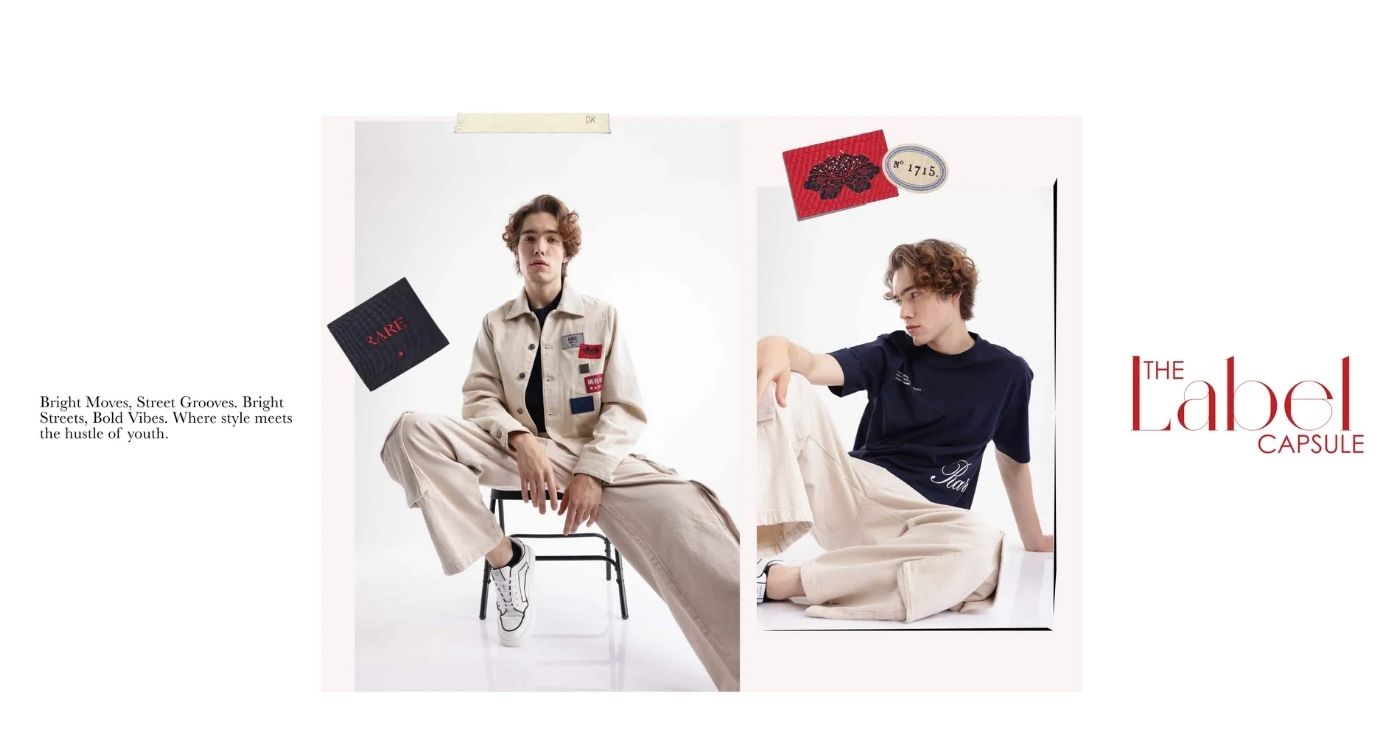
Founded in 2015, Rare Rabbit addressed a gap in India’s online menswear market for premium, well-finished apparel. Its visual branding, influencer collaborations, and aspirational storytelling helped it gain traction on social platforms.
From a logistics standpoint, premium fashion customers expect consistent packaging quality, reliable delivery, and fewer fulfilment errors. Rare Rabbit’s ability to maintain these standards across both online and offline channels played a key role in building long-term brand recall.
5. Bombay Shirt Company
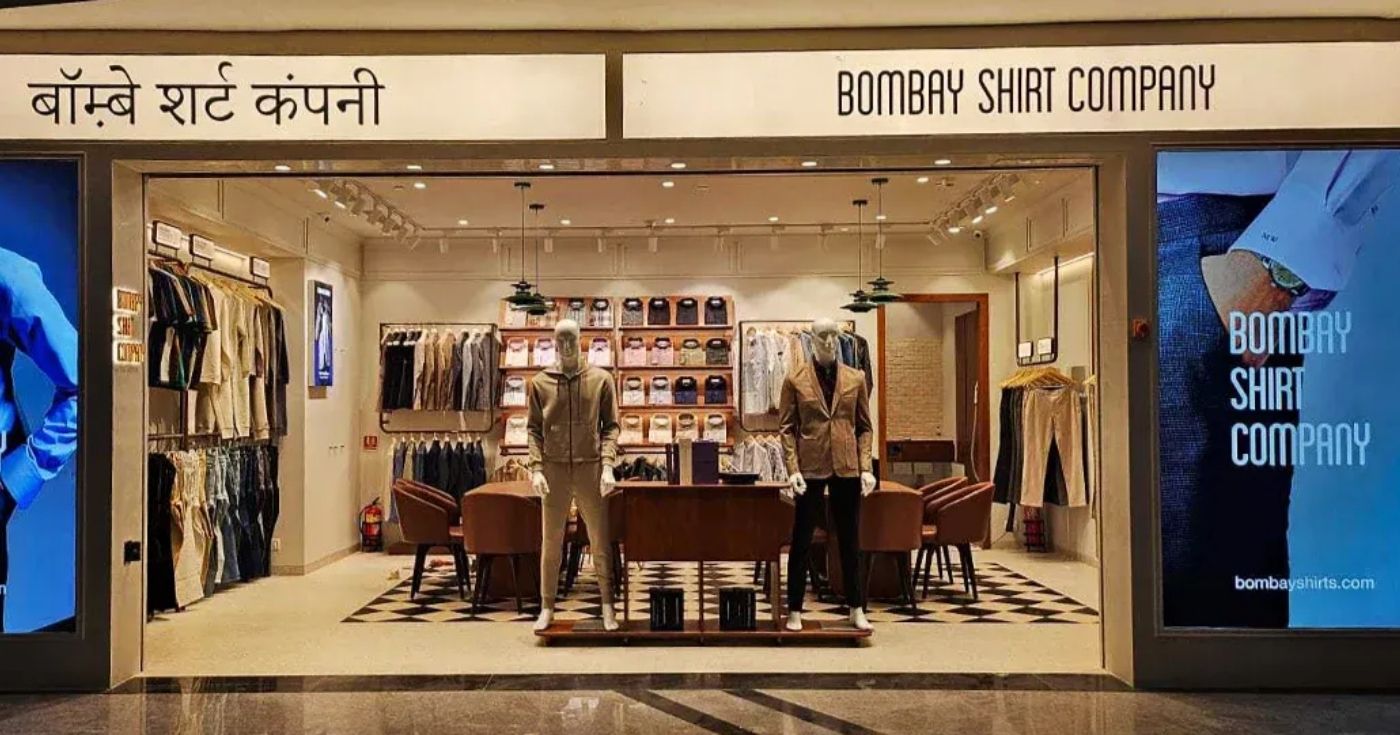
Founded in 2012, Bombay Shirt Company introduced made-to-measure apparel to Indian ecommerce. At a time when online apparel returns were high due to fit issues, the brand positioned customisation as a solution rather than a risk.
Its operational complexity lay in managing customised production, shipping timelines, and customer expectations. Clear communication, predictable delivery windows, and quality assurance helped Bombay Shirt Company build trust in a category where logistics precision directly influenced brand perception.
6. XYXX
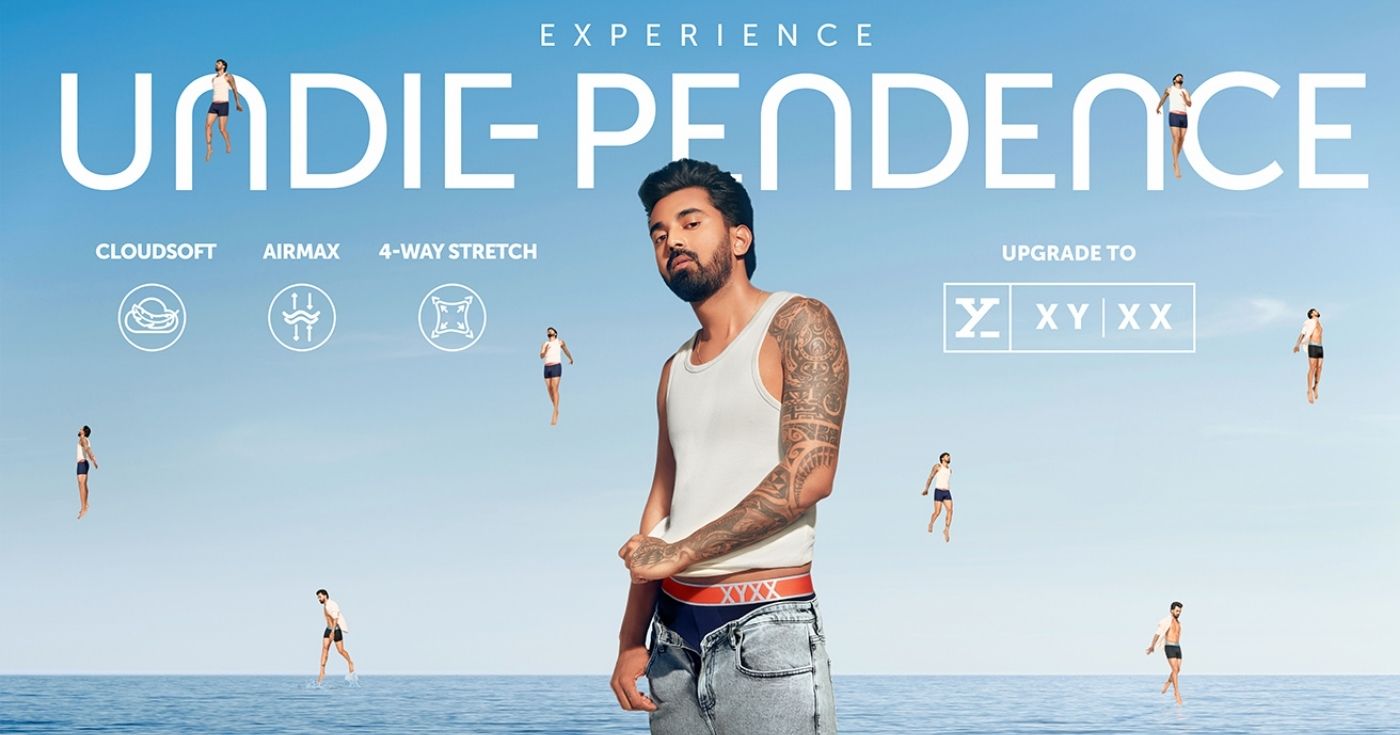
Founded in 2017, XYXX entered the innerwear and loungewear category as online demand for comfort-focused apparel surged. The brand used bold digital storytelling and influencer partnerships to stand out in a traditionally offline category.
Innerwear requires discreet packaging, fast shipping, and high fulfilment accuracy. XYXX’s focus on consistent delivery experience helped convert first-time buyers into repeat customers, driving recall in a high-frequency purchase segment.
7. Suta
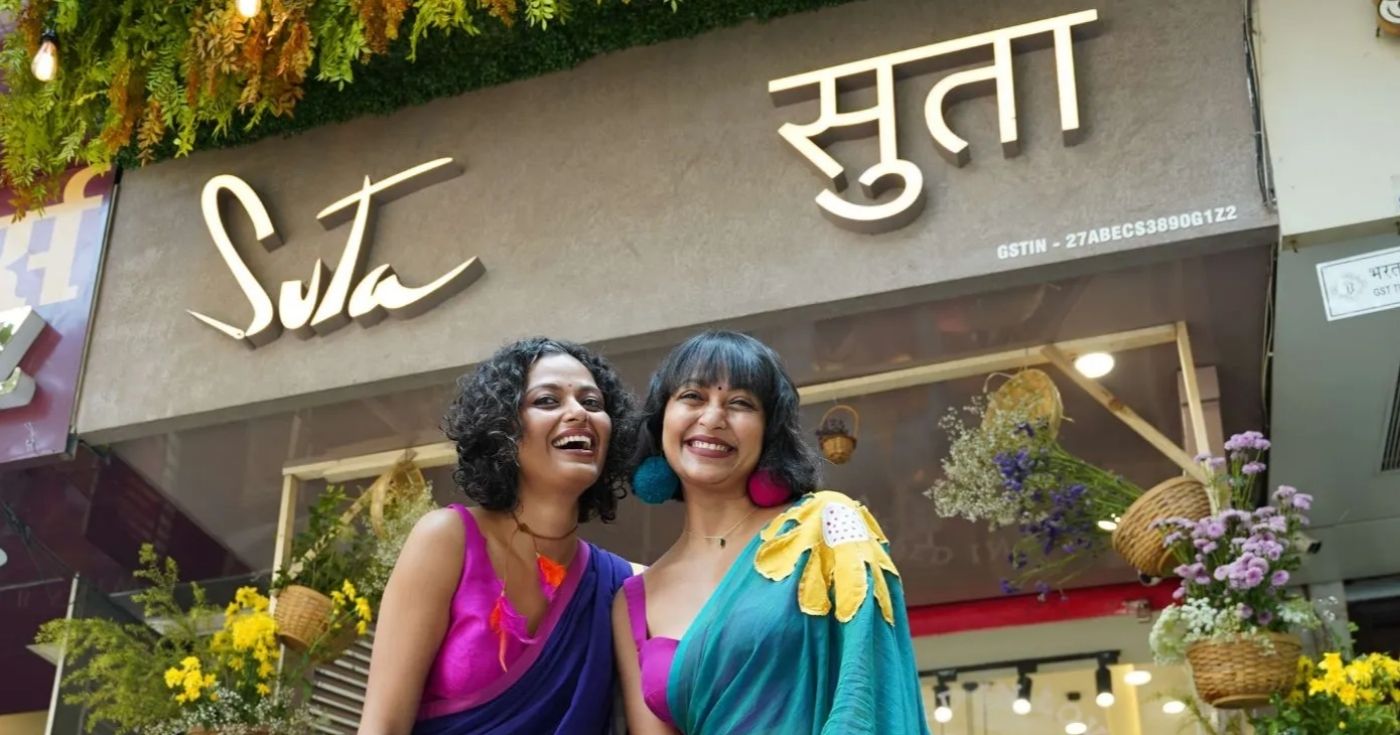
Founded in 2016, Suta’s growth coincided with increasing online demand for artisanal and handcrafted apparel. The brand leveraged Instagram heavily to share behind-the-scenes content, artisan stories, and community-led narratives.
Suta’s ecommerce challenge involved shipping delicate, handcrafted products across India while maintaining quality. Reliable packaging and delivery became part of the brand experience, reinforcing trust and emotional connection with customers.
8. Nobero
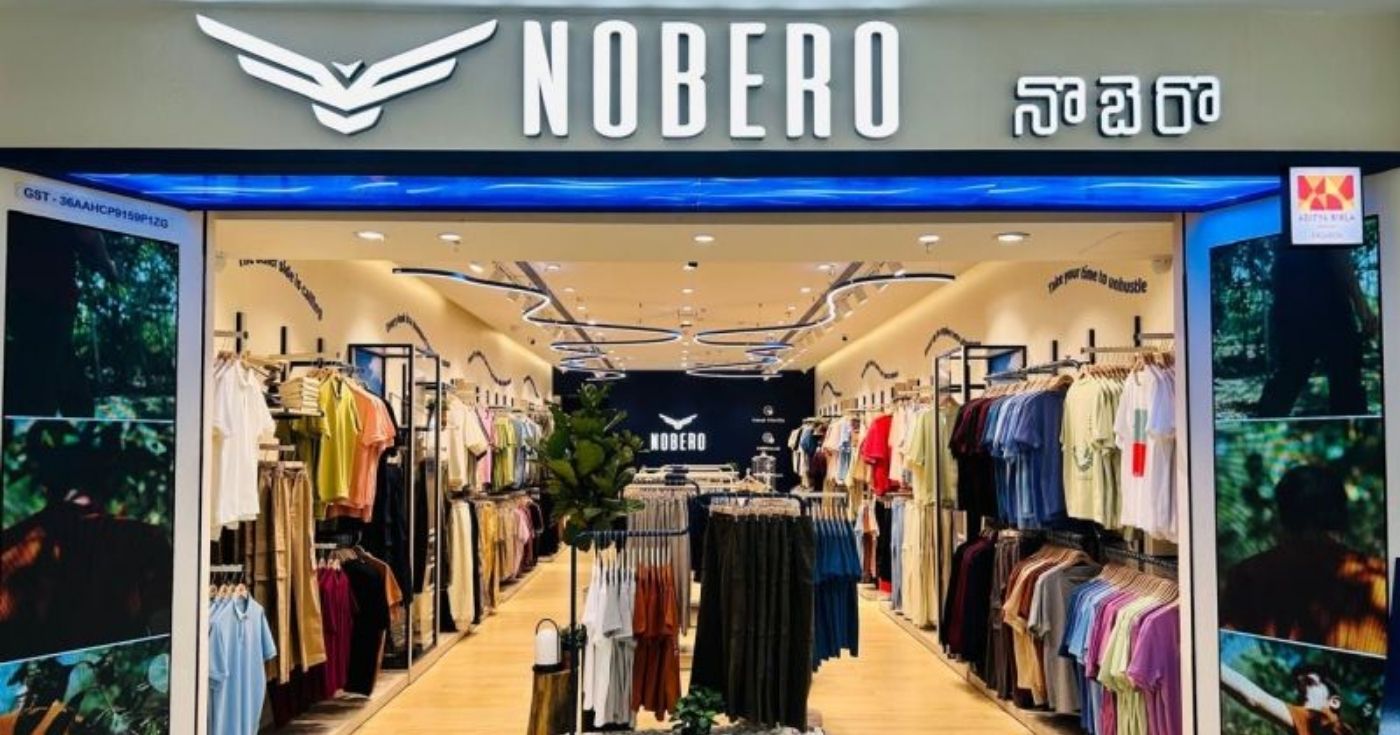
Founded in 2020, Nobero scaled rapidly by riding the athleisure and comfort-wear wave accelerated by work-from-home trends. The brand relied heavily on performance marketing and influencer content to drive traffic.
High order velocity and competitive pricing made logistics efficiency essential. Faster shipping and predictable returns handling helped Nobero maintain momentum in a crowded category.
9. The Indian Garage Co.
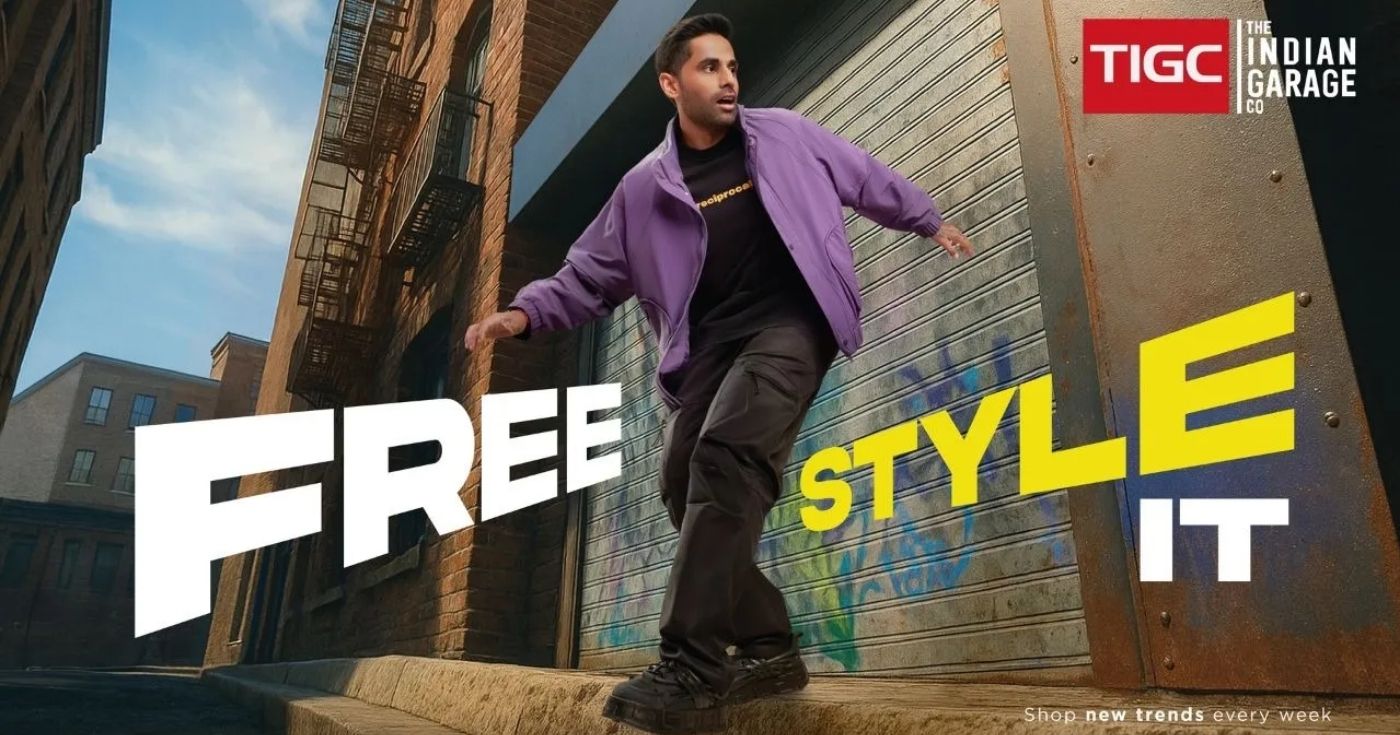
Established in 2012, The Indian Garage Co. built scale through marketplaces before strengthening its D2C presence. Its appeal lies in affordable men’s fashion with a wide geographic reach.
Serving customers across metros and non-metros required dependable pan-India shipping. Consistent delivery performance helped the brand sustain recall beyond initial marketplace discovery.
10. Styched
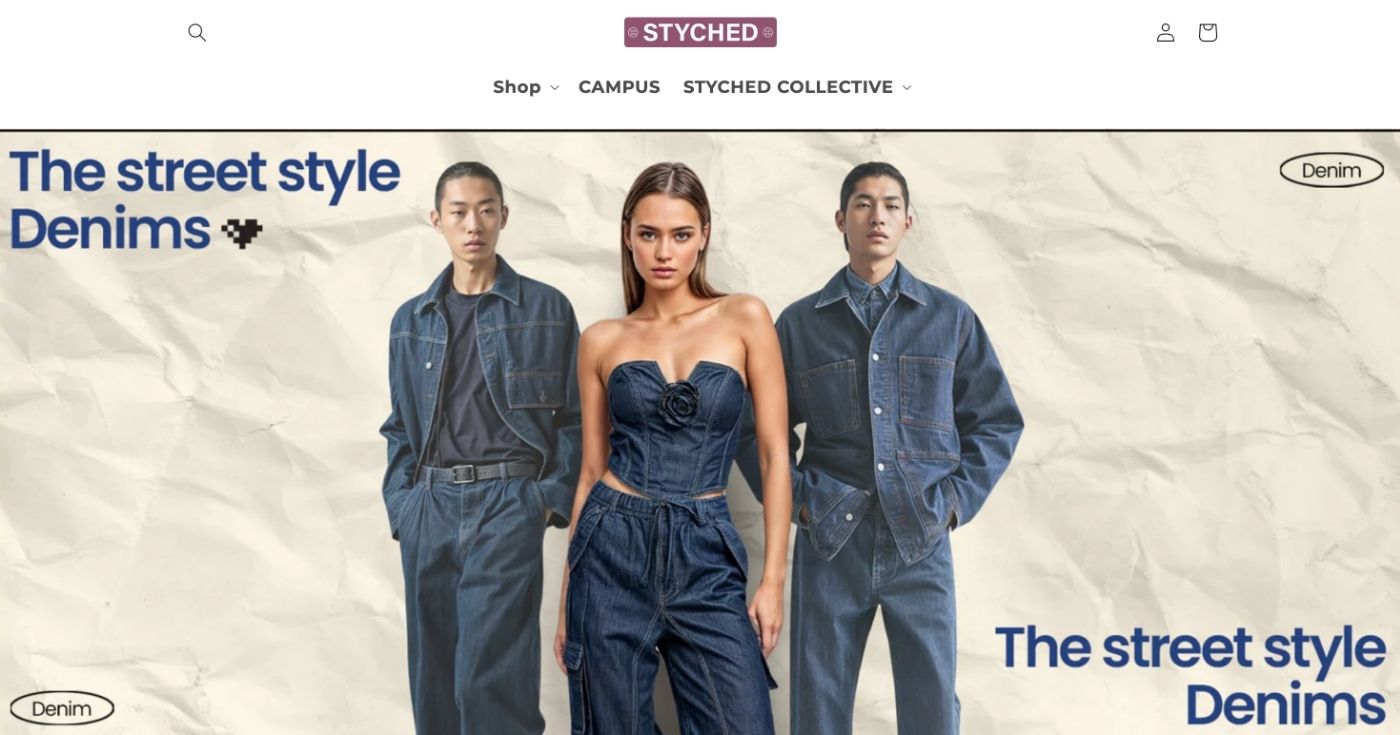
Founded in 2017, Styched positioned itself as a fast-fashion brand for online shoppers seeking trend relevance at accessible prices. Frequent catalogue refreshes and promotional activity drove steady ecommerce demand.
Operational readiness—especially inventory availability and dispatch speed—was essential to convert promotional traffic into successful orders without delivery delays.
How does Eshopbox support D2C apparel brands at scale?
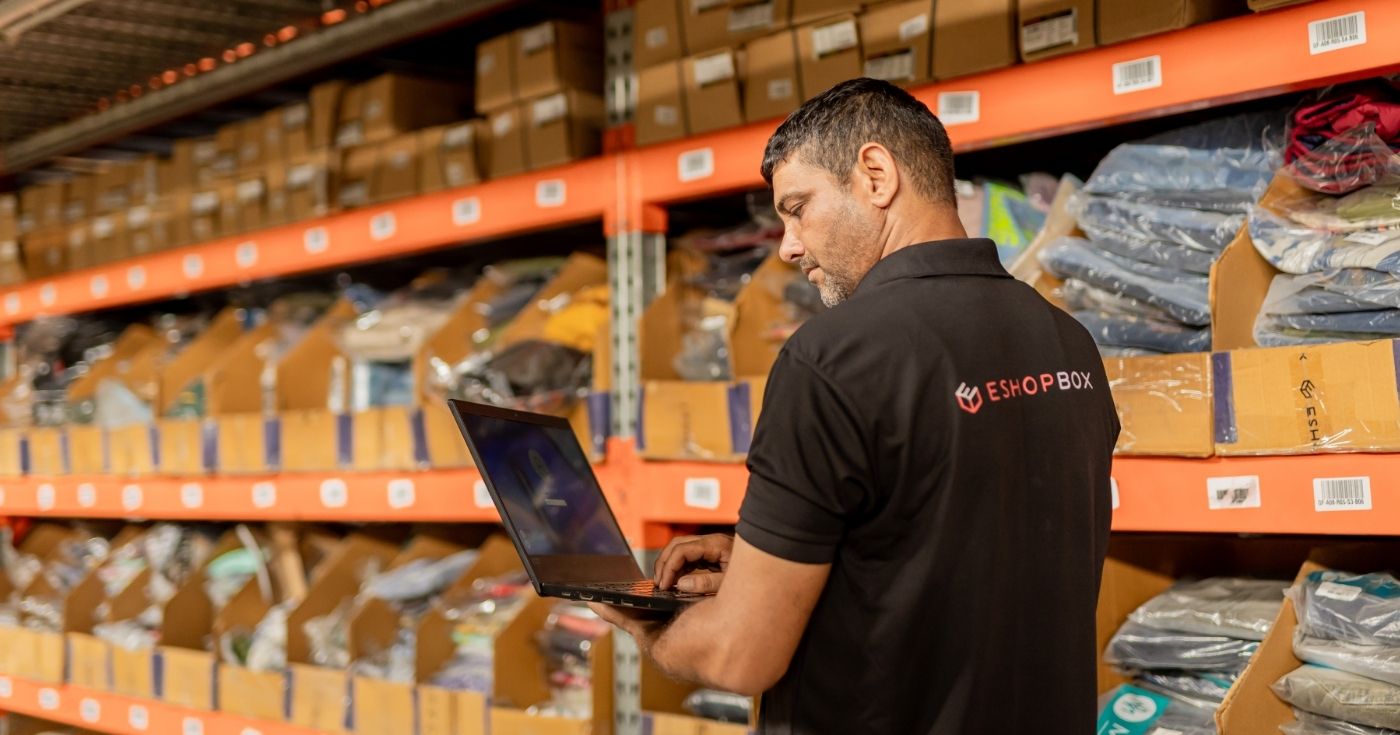
Scaling a D2C apparel brand requires operational precision across fulfilment, inventory, returns, and customer experience. Eshopbox supports this growth by acting as the operational backbone for apparel brands selling across multiple channels, making it a trusted fulfilment partner for D2C brands.
As a leading ecommerce fulfilment company, Eshopbox helps fast-growing brands manage scale without operational complexity.
1. Unified multi-channel order fulfilment
Orders from your D2C website and all marketplaces are managed through one central system. Inventory stays in sync across every channel, so stock levels remain accurate at all times. This prevents overselling and avoids last-minute order cancellations during high-demand periods.
Order processing is fully automated, which removes manual dependency and reduces human errors. Teams do not need to switch between platforms or assign orders manually. This keeps operations clean and allows brands to scale across channels without increasing headcount or operational effort something brands expect from a reliable ecommerce fulfilment company.
2. Pan-India fast delivery network
Inventory is stored across multiple fulfilment centres located in key regions across India. This allows brands to ship orders from warehouses closest to customers, enabling zonal shipping and faster last-mile delivery.
Localised stock placement reduces transit time and shipping costs while improving delivery success rates. Faster deliveries lead to better customer satisfaction, stronger reviews, and higher repeat purchase rates. Access to multiple courier partners also ensures that each order is shipped using the best shipping services in India based on location and performance.
3. Smart returns and exchanges management
Returns are managed through a structured and standardised process designed specifically for fashion brands. Every returned product goes through a detailed quality check and grading process based on condition and resale eligibility.
Products that meet quality standards are quickly added back to available stock, helping brands recover inventory faster and reduce losses. Faster processing also improves refund and exchange timelines, which plays a key role in building customer trust and loyalty in fashion ecommerce.
4. Real-time inventory visibility and control
Inventory across all fulfilment centres and sales channels is visible in one dashboard. Brands can track stock at the SKU and size level in real time, helping them understand what is selling and where demand is coming from.
This visibility supports better demand forecasting, smarter replenishment planning, and fewer stockouts during peak seasons. It also helps reduce excess inventory by enabling data-led production and buying decisions.
5. Automated fulfilment operations
Daily fulfilment workflows such as picking, packing, order processing, and reconciliation are powered by automation. This includes barcode-enabled processes that maintain high accuracy even during sales peaks and festive rush periods.
Automation reduces operational bottlenecks and ensures every order follows a defined process a key capability expected from the best 3PL provider in India. Teams can monitor performance through simple dashboards and reports, helping them identify gaps and improve efficiency continuously.
6. Consistent fulfilment experience at scale
Standard operating procedures are followed across all fulfilment centres to ensure consistency. Packaging quality, handling standards, and dispatch timelines remain uniform across regions.
Customers receive the same reliable experience whether they order during regular days or high-sale events. This consistency builds trust, strengthens brand recall, and encourages repeat purchases.
What should D2C apparel founders focus on next?
The Indian D2C apparel market offers significant opportunity, but long-term success depends on execution beyond branding and acquisition. As competition intensifies, operational strength will define which brands scale sustainably.
Founders should focus on building systems that support growth across channels, regions, and volumes. Reliable fulfilment, inventory accuracy, and efficient returns are no longer backend concerns—they directly influence customer experience and profitability.
Brands that invest early in scalable operations gain the ability to move faster, serve wider markets, and respond better to demand shifts. With the right operational foundation in place, D2C apparel brands can focus on what truly drives differentiation—product innovation, brand storytelling, and customer loyalty.
Brands that invest early in scalable operations gain the ability to move faster, serve wider markets, and respond better to demand shifts. With the operational
Connect with our fulfilment expert today.
Talk to salesRelated Articles
Big Billion Days, Great Indian Festival readiness: A 3PL pre-sale audit guide
Diwali 2026 Fulfilment Checklist: What Ecommerce Brands Must Fix Before the Rush
Choosing the best 3PL for fashion brands in India


Privacy Policy
Terms & Conditions