Get the latest from
Eshopbox


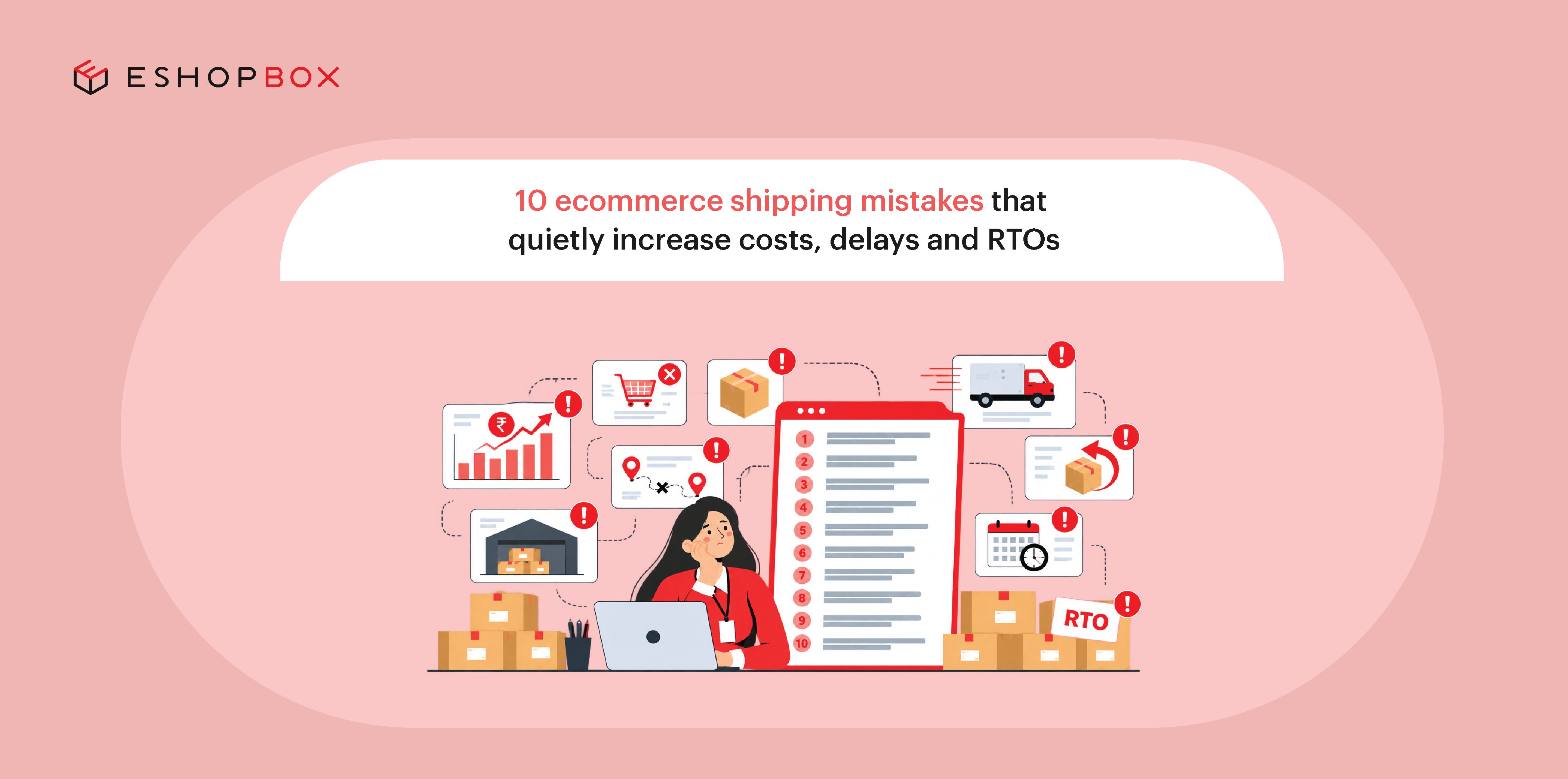


Shipping costs can rise even when order volumes remain steady. This happens when orders travel longer distances than necessary, parcels miss carrier pickups, or delivery attempts fail. These problems can add shipping charges, delay deliveries, and increase return-to-origin (RTO) shipments, affecting both costs and customer experience.
Many of these problems stem from decisions made during fulfilment and shipping, such as where brands store inventory, how quickly they process orders and which carriers they use for different destinations.
Understanding these common shipping mistakes can help ecommerce brands identify what is driving up costs, delaying deliveries and increasing RTOs. Here are 10 mistakes worth reviewing.
10 ecommerce shipping mistakes brands should avoid
1. Keeping inventory too far from customers
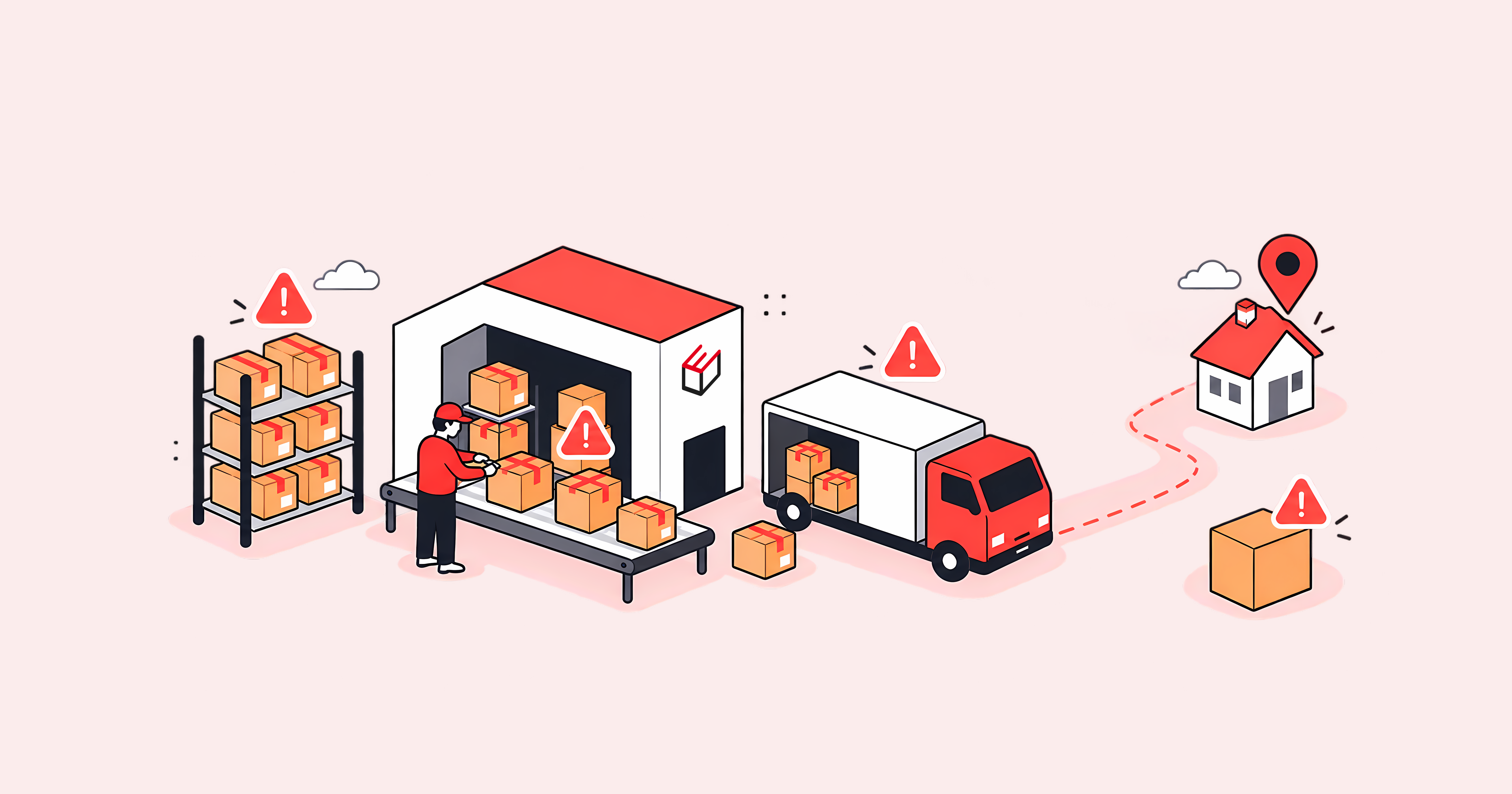
Where you store inventory directly affects how far an order must travel to reach its customer. When a brand fulfils every order from a single warehouse, customers in distant regions may face longer delivery timelines and higher shipping charges.
For example, shipping an order from a warehouse in Gurugram to a customer in Bengaluru may involve a longer route than fulfilling it from a suitable location in southern India.
The challenge grows as order volumes increase across multiple regions. A central warehouse may simplify inventory management, but it can also increase the distance traveled for many orders.
What to do instead: Review order volumes by region and compare them with your current inventory locations. Placing inventory closer to major demand centers can shorten delivery routes, reduce shipping costs and help improve delivery timelines.
This is where Eshopbox's distributed fulfilment helps. Brands can store inventory in multiple warehouse locations across India and fulfil orders closer to their customers, with on-time delivery guarantee.
2. Waiting too long to process orders
Shipping timelines depend on what happens inside the warehouse. An order may be received successfully but remain unprocessed for hours because of picking backlogs, packing delays or limited warehouse capacity.
These delays leave less time for the carrier to collect the shipment within the scheduled pickup window.
For example, an order received in the morning but picked and packed late in the evening may miss the day's dispatch schedule. Even with fast transit, the customer still receives the order later than expected.
What to do instead: Track the time between order receipt, picking, packing and dispatch. Review processing backlogs, allocate warehouse capacity based on order volumes, and set clear cut-offs for each stage. Ensure the team prepares and hands over parcels before the carrier's scheduled pickup. Faster carrier services deliver value only when orders are ready for on-time dispatch.
3. Using the same carrier for every order
A carrier that performs well in one region may struggle with deliveries in another. Pincode serviceability, transit times, local delivery networks and the frequency of failed delivery attempts can vary across locations.
Using a single carrier for every shipment limits your ability to account for these differences. For example, a carrier may deliver reliably within Delhi NCR but have limited coverage or longer transit times for certain pincodes in Bangalore. Relying on a single carrier for every order can cause delays or make some destinations unserviceable.
What to do instead: Compare carriers based on pincode coverage, transit times, delivery performance and additional charges. Eshopbox's multi-carrier shipping solution helps brands choose a suitable courier for each order based on its destination and delivery requirements. This gives brands more flexibility when managing shipments across different regions and helps balance shipping costs with delivery performance.
4. Missing dispatch and pickup cut-offs
An order can be picked, packed and labelled correctly but still miss the day's carrier pickup. This often happens when warehouse processing schedules and carrier collection times aren't aligned.
For instance, if a carrier collects shipments at 5 PM but orders are packed after the pickup deadline, those parcels may remain at the warehouse until the next collection. A single missed cut-off can add a day to the delivery timeline.
Repeated across hundreds of orders, these delays can affect delivery commitments, increase customer queries and lead to service-level agreement (SLA) breaches. Marketplaces such as Amazon and Flipkart may impose penalties for missed order-processing or dispatch deadlines, and repeated breaches can put a seller's account at risk of suspension.
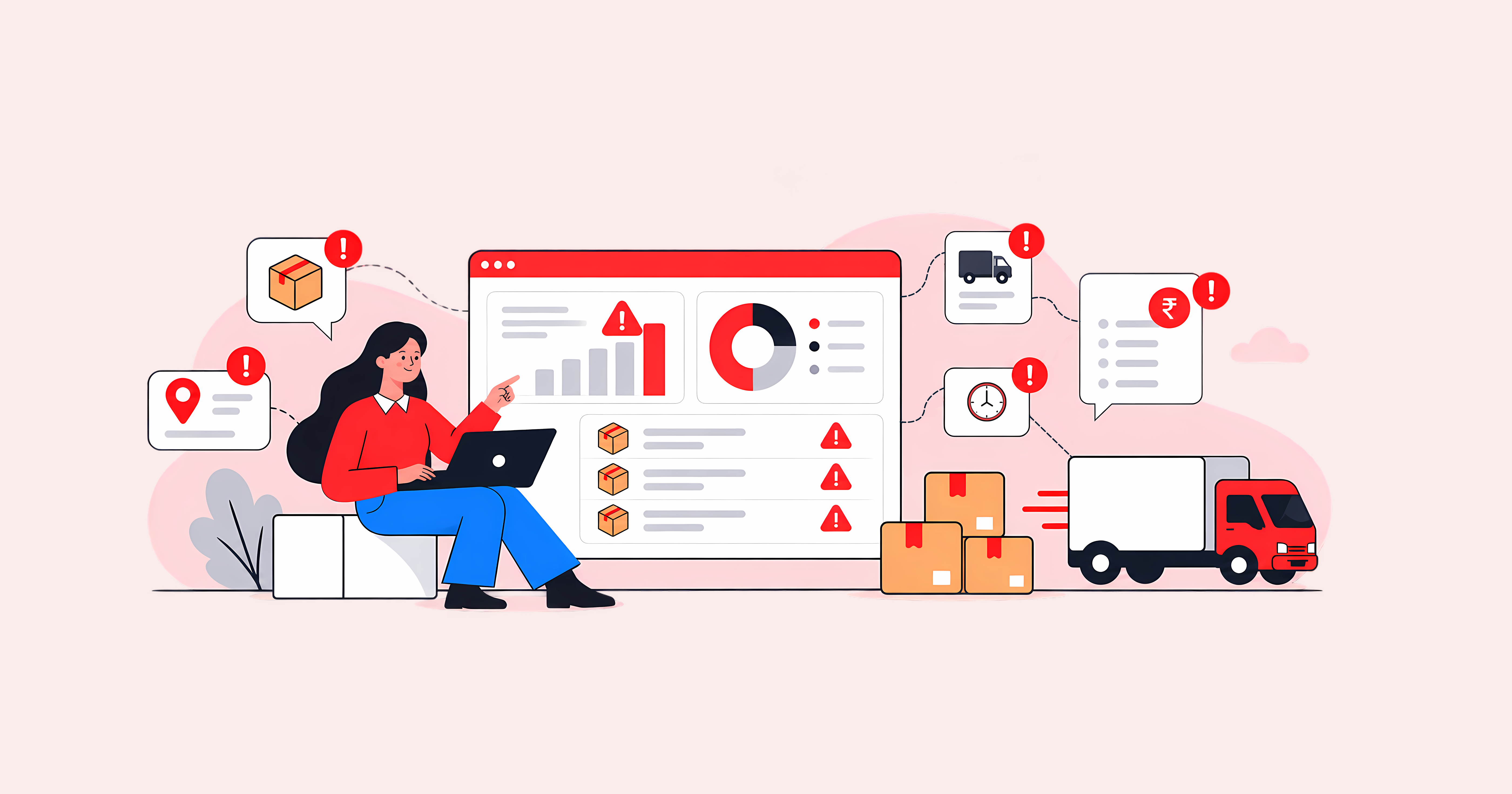
What to do instead: Eshopbox coordinates warehouse processing and carrier pickups to help brands prepare shipments before collection deadlines. Our fulfilment operations include picking, packing and dispatch coordination, helping reduce missed pickups and avoidable delays. Brands selling through marketplaces should also track their dispatch deadlines to meet the required SLAs.
5. Using packaging that adds unnecessary weight
Packaging affects shipping costs, customer experience and product safety. When a small product ships in an oversized box, the carrier may charge for the space it occupies rather than its actual weight.
This is especially true for lightweight products that need little packaging but are shipped in bulky boxes. Oversized packaging can increase dimensional-weight charges, material expenses and warehouse handling time, adding to the total shipping cost.
On the other hand, packaging that offers insufficient protection can result in damaged products, customer complaints and returns.
What to do instead: Choose packaging that suits the product's size, weight and protection requirements. Eshopbox's Packaging Suite allows brands to create SKU-level packaging rules based on product requirements. This helps teams select suitable packaging for different products, avoid oversized parcels and protect items during transit. Reviewing carrier-specific dimensional-weight rules can further help control shipping costs.
6. Processing orders with incomplete information
Incorrect addresses, missing apartment numbers, invalid pincodes and outdated phone numbers can prevent carriers from completing deliveries.
These errors often happen when customers enter details during checkout or when order information moves between systems. If the issue goes undetected until the delivery attempt, it becomes harder to resolve.
A carrier may contact the customer for clarification, attempt delivery at the wrong location, or mark the shipment as undeliverable. When the brand cannot correct the details in time, the carrier may return the shipment to the warehouse, increasing shipping costs and delaying the customer's order.
What to do instead: Eshopbox can help brands validate delivery information and check pincode serviceability as part of their fulfilment process. By identifying address or serviceability issues before dispatch, brands can resolve them earlier and reduce the risk of failed deliveries, delayed orders and RTOs.
7. Treating every order as having the same level of delivery risk
Orders can carry different levels of delivery risk depending on factors such as payment method, order value, destination and previous delivery outcomes. When brands apply the same checks to every shipment, they may overlook orders that need extra attention or spend time checking low-risk orders.
For example, a high-value order going to a location with recurring delivery failures may warrant additional checks before dispatch. COD orders may also require attention to customer availability and order confirmation, particularly when the cost of a failed delivery is significant.
Treating every shipment identically can leave avoidable risks unaddressed. However, assuming every COD order will fail can also create unnecessary checks and processing delays.
What to do instead: Identify potentially risky orders early using order and delivery data. Eshopbox helps manage this by holding risky orders before dispatch, giving brands greater control over shipment risks and helping prevent avoidable delivery failures.
8. Leaving failed delivery attempts unattended
A failed delivery attempt does not always mean an order will be returned. The outcome often depends on why the attempt failed and how quickly the issue is addressed.
A customer might be unavailable when the carrier arrives, the address might need clarification, or the customer might need to arrange another delivery time. If the brand and carrier do not resolve the issue promptly, another delivery attempt will fail and the shipment will eventually return to the warehouse.
The longer an issue goes unattended, the less time the brand has to coordinate with the customer and carrier to complete delivery.
What to do instead: Use Eshopbox's non-delivery report (NDR) workflows to track failed delivery attempts and identify their reasons. When a customer's input is required, contact them promptly and coordinate the next steps with the carrier where available. Timely action can help brands resolve delivery exceptions before the carrier returns the shipment to the warehouse.
9. Not monitoring orders that need attention
Shipping issues can go unnoticed when teams check order status only after a customer raises a complaint. An order might remain unprocessed beyond its expected timeline, a parcel might be ready but waiting for carrier pickup, or tracking updates might stop after dispatch. Each issue needs attention at a different stage of the fulfilment process.
When teams rely on manual checks or review shipments only after customers raise complaints, these issues can go unnoticed for too long.
The problem is particularly difficult to manage when order information, warehouse activity and carrier updates are spread across different systems.
What to do instead: Eshopbox gives brands visibility into order and fulfilment activity, helping teams monitor orders from receipt through processing, dispatch and carrier pickup. Brands can use available tracking information and alerts to identify delayed processing, missed dispatch deadlines and shipments that stop receiving meaningful updates. Clear ownership of these exceptions helps teams investigate and act before problems affect customers.
10. Looking at shipping costs without investigating the reasons behind them
A monthly shipping bill shows how much a brand spent, but it does not explain why costs increased. Without reviewing the underlying data, fulfilment and finance teams may continue paying for avoidable expenses.
For instance, higher shipping charges may result from oversized packages, long-distance deliveries, repeated RTOs or additional carrier fees. A carrier with a lower base rate may still cost more overall if it has higher failure rates or triggers frequent additional charges.
Looking only at the total bill makes it difficult for brands to identify which parts of their shipping process need improvement.

What to do instead: Break down shipping costs by carrier, destination, zone, package weight and dimensions, RTOs and additional charges. Compare these figures with delivery performance to understand the relationship between cost and service quality. Review recurring patterns before renegotiating rates or changing carriers.
How to identify the shipping mistakes that are hurting your business
After reviewing common shipping mistakes, ecommerce brands need to identify which ones are affecting their business most. Reviewing delivery performance, order timelines and shipping costs can help them prioritise fixes based on their impact on customers and expenses.
1. Start with delivery performance
Compare delivery times and success rates across regions, pincodes and carriers. Look for locations where orders consistently arrive late or delivery attempts frequently fail.
These patterns can help you determine whether the issue relates to carrier selection, inventory placement, local serviceability or delivery exceptions.
2. Find where orders slow down
Track the time taken at each stage of the order journey:
Order received → Processed → Dispatched → Picked up → Delivered
Compare actual processing and transit times with your expected timelines. If orders spend too long waiting for dispatch, the problem may lie in warehouse workflows. If they leave on time but take longer to arrive, you may need to review carrier performance or route selection more closely.
3. Find where costs increase
Review shipping expenses across the factors that influence them:
- Distance and zone: Are orders travelling longer distances than necessary?
- Carrier: Which carriers offer the best balance of cost and delivery performance?
- Package size and weight: Are dimensional charges or excess packaging increasing expenses?
- RTOs: Which products, regions or order types contribute most to return shipping costs?
- Additional charges: Are surcharges or weight discrepancies appearing repeatedly?
This analysis helps distinguish between rate-related costs and expenses caused by operational inefficiencies.
4. Look for repeated failure points
An isolated delay may be unavoidable, but recurring issues usually deserve a closer look. If the same carrier repeatedly misses delivery timelines, a particular region generates many failed deliveries, or certain orders remain unprocessed too long, investigate the underlying cause.
Prioritise issues based on their frequency, financial impact and effect on customers. Fixing a recurring warehouse bottleneck or address-validation problem may deliver more value than addressing individual shipments one at a time.
Conclusion
Shipping costs, delivery delays and RTOs often stem from decisions made at different stages of fulfilment. By reviewing inventory placement, warehouse processing times, carrier performance, packaging choices and delivery exceptions, brands can identify where their processes need attention.
Eshopbox brings inventory management, warehouse fulfilment, multi-carrier shipping and NDR workflows together to help brands manage these stages more effectively. Reviewing shipping performance regularly and addressing recurring problems can help ecommerce businesses improve delivery reliability and keep avoidable shipping expenses under control.
Connect with our fulfilment expert today.
Talk to salesRelated Articles
How to protect beauty products from heat damage during shipping in India
What does it actually take to offer 1-day delivery? A fulfilment checklist for ecommerce brands
Big Billion Days / Great Indian Festival readiness: A 3PL pre-sale audit guide


Privacy Policy
Terms & Conditions